
Winter Pruning in Hobart: What to Cut Back Now (and What to Leave Alone)
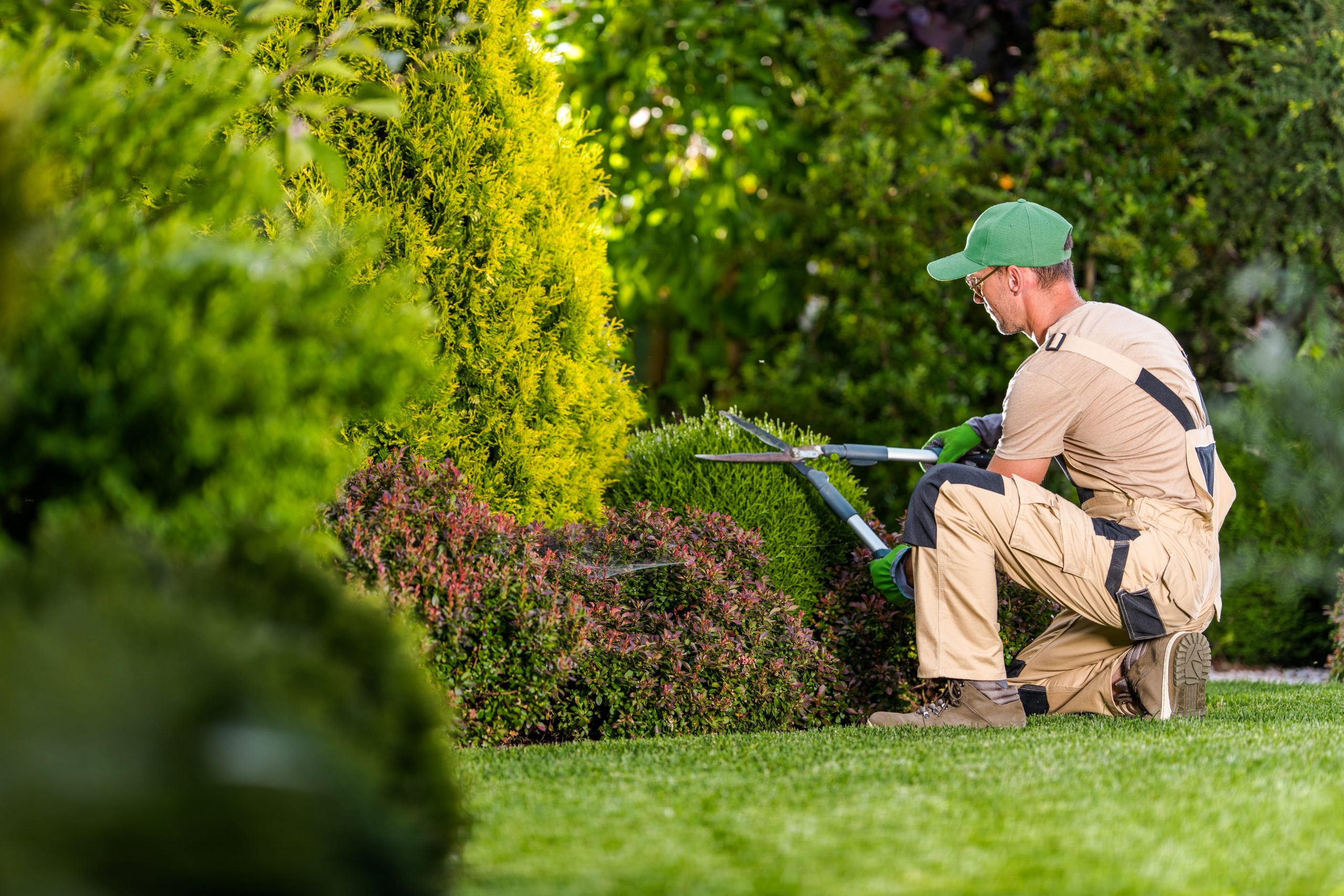
There’s a common myth that winter is the quiet season in the garden. In Hobart, it’s anything but. While the lawn might have slowed down and the veggie patch is ticking over, winter is actually the busiest time of year for one job in particular: pruning.
Get your winter pruning right and you’ll be rewarded with stronger growth, better flowering and healthier plants come spring. Get it wrong – or prune the wrong things – and you can can cut off this year’s flowers before they’ve even had a chance. So lets break down exactly what to cut back now in Greater Hobart, and just as importantly, what to leave well alone.
Why Winter Is Prime Pruning Time
Most deciduous plants are dormant through a Hobart winter. With no leaves in the way, you can actually see the structure of the plant – which branches are crossing, which are dead or damaged, and wher the shape needs correcting. Cutting during dormancy also means the plant isn’t wasting energy on foliage it’s about to lose, so everything it has is redirected into strong new growth when the weather warms up.
Hobart’s cool winters work in your favour here. Our frosts are generally light compared to inland Tasmania, which gives you a nice long pruning window from June right through to late August for most plants
What to prune now
Roses
If you only prune one thing this winter, make it your roses. July is the classic time for rose pruning in southern Tasmania. Cut back hybris teas and flouribundas by about half to two-thirds, removing any dead, diseased or spindly growth and opening up the centre of the bush so air can move through. Aim for an outward-facing bud when you make each cut – that’s the direction the new growth will head.
One local tip: hold off until late July if your garden sits in a frost pocket, like some of the gullies around Fern Tree or Collinsvale. Pruning too early can encourage tender new shoots that get burnt by a late frost.
Fruit Trees
Apples, pears and quinces all take their structural pruning in winter. Focus on removing dead wood, crossing branches and anything growing into the centre of the tree. The goal is an open, vase-like shape that lets light and air reach the fruit.
The exception is stone fruit – but we’ll get to that in the “leave alone” list below.
Hydrangeas
Hobart gardens are full of hydrangeas, and winter is when they get their haircut. Cut back stems that flowered last summer to a pair of plump buds, and remove any weak or very old canes at the base. Leave the stems that didn’t flower – they’re carrying next seasons blooms.
Deciduous Trees and Ornamentals
Japanese maples, crepe myrtles, ornamental grapes and wisteria can call be shaped now while their branches are bare. Wisteria in particular benefits from a hard winter prune – cut those long whippy shoots back to two or three buds and you’ll get far better flowering in spring.
Overgrown Hedges and Shrubs
Winter is a good window for the harder renovation pruning that establishes hedges sometimes need. Because the plant it dormant, it copes better with being cut back further from a regular trim. If a hedge has gotten away from you over summer and autumn, now’s the time to bring it back under control. For the finer, shape-focused work, our hedge trimming service covers this exactly.
What to Leave Alone
This is where a lot of well-meaning winter pruning goes wrong. Not everything wants the secateurs in July.
Spring-Flowering Shrubs
Camellias, rhododendrons, azaleas, daphne and flowering quinces are either blooming now or carrying buds that are about to open. Prune them in winter and you’re cutting off the very flowers you’ve waited all year for. Wait until they’ve finished flowering in spring, then shape them.
Stone fruit
Apricots, peaches, plums and cherries should not be pruned in a Tasmanian winter. Open wounds on stone fruit in cold, damp conditions invite fungal diseases like silver leaf, which can kill the tree. Prune these in late summer or early autumn instead, when cuts heal quickly in the dry weather.
Australian Natives
Most natives – grevilleas, callistemons, correas – prefers a light trim after flowering rather than a hard winter cut. Many are flowering through winter anyway, feeding the honeyeaters that brighten up Hobart gardens this time of year. If your natives need attention, our guide to pruning Australian natuve bushes and trees covers the right approach in more detail.
Frost-tender Plants
Anything a bet tender – citrus, some salvias – should hold onto its growth through winter, even the scruffy bits. That outer foliage acts as a frost blanket for the healthy growth underneath. Tidy them up in spring once the frost risk has passed.
Set Yourself Up: Sharp Tools Make Clean Cuts
Before you head out, give your secateurs and loppers a once-over. Blunt blades crush stems rather than cutting them cleanly, and ragged cuts are slower to heal and more vulnerable to disease. A few minutes with a sharpening stone makes a genuine difference – we’ve written a full guide on sharpening and oiling secateurs and loppers if yours are overdue for some love.
While you’re at it, wipe blades down with methylated spirits between plants, especieally if you’ve been cutting out any diseased wood. It’s the easiest way to avoid spreading problems around the garden.
Not Sure Where to Start?
Every garden is different, and pruning is one of those jobs where a bit of local knowledge goes a long way – what suits a sheltered Sandy Bay courtyard won’t necessarily suit an exposed block up at Mount Nelson. If you’d rather hand the winter pruning over to someone who does it every day, the Flourish & Bloom team is out working across Greater Hobart all winter long.
We’ll prune what needs pruning, leave what doesn’t, and make sure your garden hits spring in the best possible shape. Give as a call on 0444 543 258 or get in touch for a free quote.