

Expert Lawn Care in Taroona: Tips from a Local Lawn Care Specialist
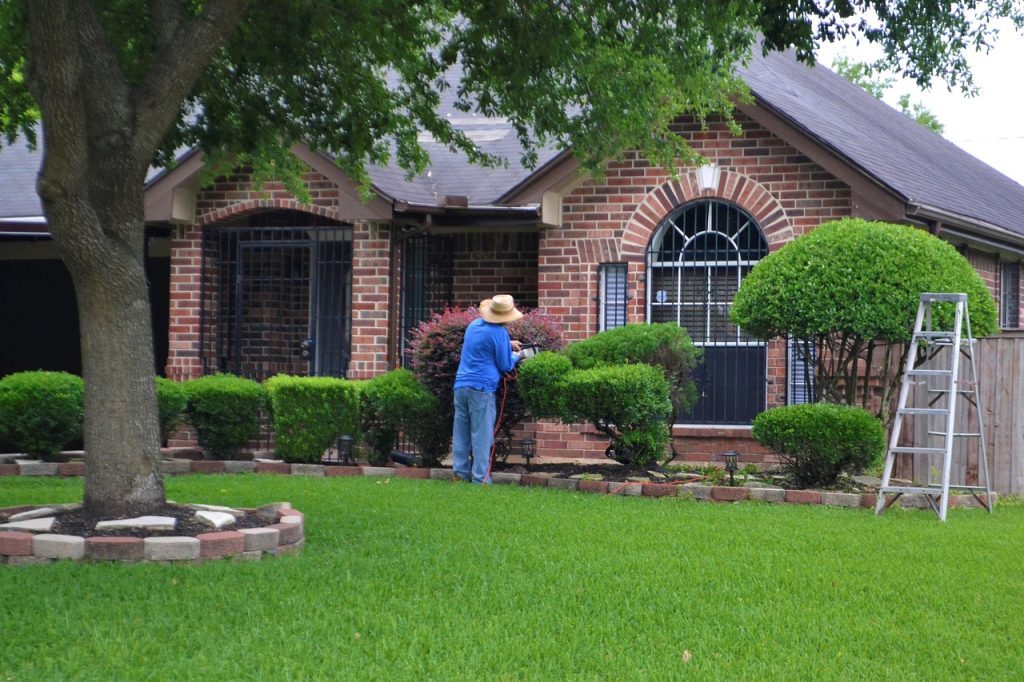
Expert lawn care in Taroona starts with understanding what the local environment actually demands from your grass. Taroona’s cool-temperate climate, variable soil types, and sloped terrain create specific challenges that standard lawn care advice rarely addresses. What works in a warmer or flatter part of Australia often falls short here. Getting lawn care right in this area means working with the conditions Taroona actually has.
These tips come from direct experience working with Taroona lawns across different seasons, soil types, and property styles.
Expert Lawn Care in Taroona: Getting the Basics Right First
Expert lawn care in Taroona begins with the fundamentals. Before investing in fertilisers, lawn treatments, or irrigation systems, the foundational practices need to be solid. Many Taroona homeowners overcomplicate their lawn care routines when the real issue is something straightforward, like mowing too low or watering at the wrong time of day.
Getting the basics consistently right produces better results than any premium product applied incorrectly.
Mowing Height Makes a Bigger Difference Than Most People Expect
Cool-season grasses across Taroona perform best when kept between 40 and 60mm. Cutting below that removes too much leaf surface. The grass then struggles to photosynthesise properly and becomes more vulnerable to drought stress and weed invasion.
During the hottest weeks of summer and the coldest weeks of winter, raise the mowing height slightly. Longer leaf protects the root zone from temperature extremes at both ends of the scale.
Watering Timing Directly Affects Lawn Health
Watering in the evening leaves moisture sitting on the leaf surface overnight. That creates ideal conditions for fungal disease, which is already a risk in Taroona’s cooler, wetter climate. Water in the early morning instead. The lawn absorbs moisture through the day and the surface dries before nightfall.
Deep, infrequent watering builds stronger root systems than light daily watering. Aim for two to three longer sessions per week rather than a quick daily sprinkle.
What Local Lawn Care Specialists Know About Taroona Soil
Soil condition drives everything in lawn care. A lawn care specialist working in Taroona consistently identifies soil issues as the root cause of most persistent lawn problems. Treating the grass without addressing the soil underneath produces temporary improvement at best.
Taroona properties carry a range of soil types. Clay-heavy soils compact easily, restrict root growth, and drain poorly after heavy rain. Sandy soils dry out faster and need more frequent, targeted feeding to hold nutrients.
Here are the soil care practices that make the most difference for Taroona lawns:
- Aerate compacted areas each autumn to open up the soil and improve drainage
- Apply a top dressing of quality compost after aeration to rebuild organic matter
- Test soil pH every one to two years and adjust with lime if levels drop too low
- Avoid applying fertiliser to dry soil, always water it in thoroughly after application
- Use slow-release fertiliser formulations to feed the lawn steadily through the season
Lawn aeration is particularly valuable for Taroona properties with heavy foot traffic or clay-dominant soil. It physically breaks up compaction and lets water, air, and nutrients reach the root zone properly.
How Does a Lawn Care Specialist Approach Weed and Pest Control in Taroona?
Weeds and pests are easier to manage when the lawn is already healthy. A thick, well-fed lawn with a strong root system naturally resists weed invasion by leaving less open soil for seeds to establish. Specialist lawn care in Taroona focuses on building that base level of health first.
Identifying Weeds Early Saves Significant Effort Later
Broadleaf weeds like clover, dandelion, and plantain are common in Taroona lawns. They establish quickly in areas where the grass is thin or the soil is compacted. Spot-treating early prevents them from spreading and setting seed. Waiting until a weed problem is widespread makes control far more labour-intensive.
Managing Lawn Grubs Before They Damage the Root Zone
Lawn grubs feed on grass roots from below the surface. By the time the damage becomes visible, the root zone is already compromised. Watch for irregular brown patches that feel spongy underfoot. That texture often indicates grub activity below the surface. Treating early in the season prevents significant damage and reduces recovery time.